
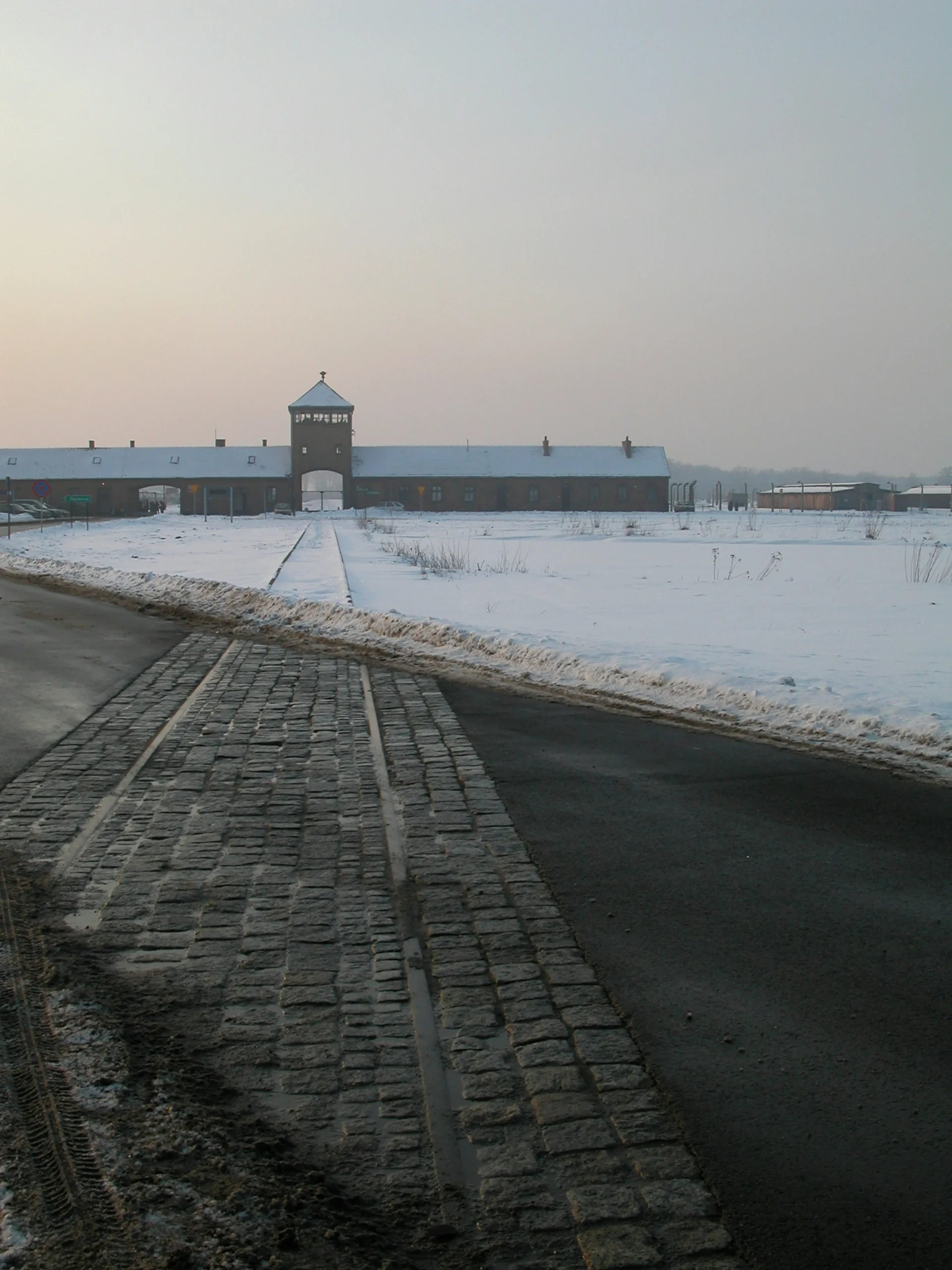
Educational and Historical Tours of Concentration Camps in Europe
Visiting former concentration camps across Europe is an act of remembrance and education. These places preserve the truth about the Holocaust and the systems of oppression that marked the continent during World War II. Genealogy Tour’s historical programs guide visitors through authentic sites where millions suffered and perished. Each tour is conducted with historical precision, ensuring that participants engage with the past through documented facts and respectful reflection.
The Historical Context of the Holocaust in Europe
Between 1933 and 1945, Nazi Germany established an extensive network of concentration and extermination camps across occupied Europe. Their primary purpose evolved from political imprisonment to systematic genocide. Camps such as Auschwitz-Birkenau, Treblinka, Sobibór, Majdanek, Dachau, and Ravensbrück became the epicenters of human tragedy.
Guided tours through these locations provide a factual understanding of how these institutions operated — from the administrative systems that supported them to the conditions endured by those imprisoned. Historical guides explain the evolution of camp structures, their classification, and their role within the Nazi regime’s policies of forced labor, racial segregation, and extermination.
Each site carries its own historical specificity. For example, Auschwitz-Birkenau in Poland became the largest extermination center in Europe, where over 1.1 million people were murdered. Dachau in Germany, established in 1933, served as a model for later camps. Understanding these distinctions is crucial for comprehending the scale and mechanism of the Holocaust.
Preserving Memory Through Site Visits
Visiting concentration camp memorials is not tourism in the traditional sense — it is a journey of historical and moral awareness. Each site is preserved as an open-air museum or memorial institution, maintaining original barracks, crematoria ruins, or personal artifacts of victims.
Guided tours, led by historians and educators, provide verified historical accounts supported by documentation from archives and survivor testimonies. Participants learn how these places were rediscovered, documented, and preserved in the postwar years. Many memorials, such as Auschwitz-Birkenau or Majdanek, were secured almost immediately after liberation, serving as evidence during the Nuremberg Trials.
This educational process helps visitors confront the reality of genocide without sensationalism. The aim is not emotional shock but historical comprehension — an understanding rooted in evidence, guided by the responsibility to remember and educate future generations.
Main Sites of Historical Significance
Each concentration camp memorial in Europe serves a distinct educational role.
Auschwitz-Birkenau near Oświęcim, Poland, symbolizes the entire system of Nazi genocide. The site includes original barracks, remnants of gas chambers, and extensive exhibitions maintained by the Auschwitz-Birkenau State Museum.
Majdanek, located near Lublin, preserves one of the most complete camp infrastructures, illustrating both its extermination and labor functions.
Treblinka and Sobibór stand as silent memorials, with minimal remaining structures but powerful archaeological and commemorative installations marking the sites of mass murder.
Outside Poland, Dachau, Buchenwald, and Sachsenhausen in Germany, or Mauthausen in Austria, form part of the wider European network of remembrance.
These institutions collaborate through the International Holocaust Remembrance Alliance (IHRA), ensuring that educational standards and preservation practices remain consistent across borders.
Educational Importance of Holocaust Memorial Tours
Educational travel to concentration camp sites has become a vital part of historical and civic education in Europe. Schools, universities, and research institutions integrate these visits into curricula to teach critical thinking about totalitarianism, propaganda, and human rights.
Genealogy Tour’s programs are designed to complement academic study with guided interpretation by local historians. Participants gain insight into the social structures that enabled persecution, the responses of local populations, and postwar efforts to document crimes.
Such tours also highlight the moral responsibility of remembrance — understanding how collective silence and indifference contributed to tragedy. By confronting the evidence in situ, visitors develop a deeper awareness of history’s relevance to the present, encouraging vigilance against discrimination and intolerance in modern societies.
Respectful Engagement and Commemoration
Engagement with Holocaust memorials requires sensitivity and preparation. Genealogy Tour emphasizes the ethical dimension of such visits: appropriate conduct, awareness of the victims’ dignity, and avoidance of any form of trivialization. Guides ensure that participants approach these sites as spaces of reflection, not spectacle.
Ceremonial elements, such as moments of silence or guided readings from survivor testimonies, may accompany the tours, reinforcing the human dimension of historical learning. Through structured reflection, visitors leave not with despair, but with knowledge and commitment to memory preservation.
Each journey concludes with discussions on how documentation, research, and education continue to combat denial and distortion of Holocaust history — a reminder that remembrance is an ongoing act of responsibility.
Sources:
Auschwitz-Birkenau State Museum
United States Holocaust Memorial Museum
Yad Vashem – The World Holocaust Remembrance Center
International Holocaust Remembrance Alliance (IHRA)
Majdanek State Museum
Related Articles
Related
History and Evolution of Slavic Languages
Trace the origins of Slavic languages, from Proto-Indo-European roots to the modern languages spoken across Europe today.
Historical flags of Poland: Colors & symbolism and meaning
From medieval banners to the modern flag: explore the historical flags of Poland and what their colors and symbols represent.
The history and meaning of unique Polish symbols
Discover the history behind Poland’s white eagle, flag, and anthem, and what these national symbols mean. A GenealogyTour guide to Polish heritage.