
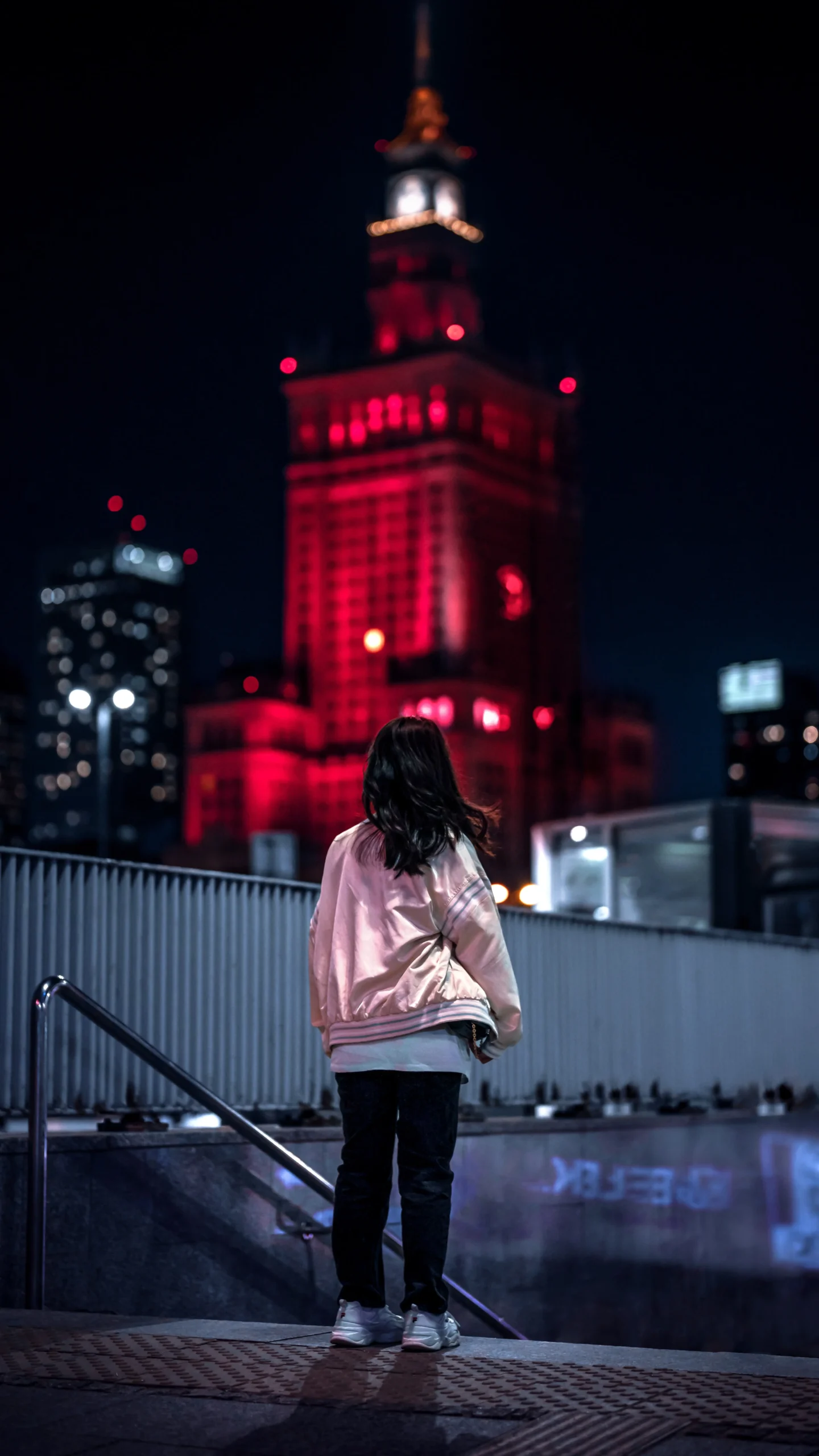
Polish ancestry traits
Polish ancestry carries a distinct combination of physical characteristics, genetic history and cultural values shaped by more than a thousand years of settlement in Central Europe. Understanding what defines Polish features and Polish identity requires looking at three separate layers: the biological history of the population, the documented physical traits found in genetic and demographic research, and the cultural character formed by centuries of shared historical experience.
The Historical Origins of the Polish People
The documented history of the Polish nation begins around 930 to 960 AD, when the Western Polans, an influential tribe centered in the Greater Poland region, united several Lechitic clans under the rule that became the Piast dynasty. Before this period, the territory that is now Poland had already absorbed a long sequence of settlement layers, including Baltic, Celtic, Germanic and early Slavic groups, along with traces of earlier Proto-Indo-European populations. Between roughly 500 and 700 AD, early Slavic tribes settled the region in growing numbers and gradually assimilated the populations that came before them, a process that contributed directly to the ethnogenesis of the West Slavic peoples. Poles today are classified as a West Slavic ethnic group, sharing this linguistic and historical root with neighboring nations such as Czechs and Slovaks, while having developed a separate national identity through thed centuries of the Piast and later Jagiellonian rule.
Genetic Background and Population Structure
Population genetics research on Poland shows that the genetic structure of the population largely overlaps with the broader European gene pool, poles are genetically closest to other Slavic populations like Ukrainians, Belarusians, Czechs, and Slovaks. Among the paternal lineages studied in Central and Eastern Europe, haplogroup R1a appears as the most common Y-chromosome lineage among Polish men, a pattern shared with other Slavic populations across the region. This lineage reflects deep population history rather than a marker tied to any single physical feature, and it does not determine traits such as skin tone or eye color on its own. A significant demographic shift followed the Second World War, when border changes and large-scale population movements resulted in a more genetically homogeneous population than existed in earlier centuries, reducing some of the regional physical variation that had developed over previous generations.
Physical Features Commonly Associated With Polish Ancestry
Several physical characteristics appear with notable frequency in the Polish population, though none of them apply universally. Complexion tends toward fair to medium skin tones, corresponding to Fitzpatrick skin types I through III, with brown and dark blond hair occurring most often and natural red hair remaining rare. Eye color studies indicate that light shades, primarily blue and grey, appear in around 46 percent of Polish men and 37 percent of Polish women, while intermediate shades such as green or mixed tones are also common, and brown eyes occur in roughly 12 to 15 percent of the population.
Average height has increased substantially since the Second World War, with adult men now averaging between 179 and 180 centimeters and women around 166 centimeters, placing Poland among the taller populations in Europe. Researchers attribute this increase primarily to improved nutrition and living standards across the twentieth century, not to any change in the underlying genetic profile of the population.
Facial Features and Regional Variation
Descriptions of Polish facial features often mention high or pronounced cheekbones, straight or slightly aquiline noses, and a facial structure historically associated with Slavic populations across Central and Eastern Europe. These patterns are population-level tendencies rather than fixed rules, and considerable variation exists between regions of Poland, reflecting centuries of contact with neighboring German, Baltic, Ukrainian and Jewish communities along shifting borders. Modern Poland has also become more demographically diverse in recent decades, with growing Vietnamese, Ukrainian and other immigrant communities settling primarily in larger cities, which continues to shape the range of features found within the country.
National Character Formed Through Historical Resilience
Poland’s political tradition includes one of the oldest parliamentary systems in Europe, with noble assemblies convening as early as the fourteenth century, well before many Western European states developed comparable institutions. Despite this early democratic tradition, Poland disappeared from the map for 123 years following the partitions of the late eighteenth century, and the population endured repeated uprisings that ended in defeat before independence was restored in 1918. During the Second World War, Poland was the first country to militarily resist Nazi Germany, in September 1939, while simultaneously facing invasion from the Soviet Union. Polish citizens also make up the largest national group among the Righteous Among the Nations, the honor given by Yad Vashem to non-Jews who risked their lives to rescue Jews during the Holocaust. This combination of early resistance, wartime loss and eventual recovery is frequently cited as the historical foundation of the resilience associated with Polish national character.
Everyday Values: Work, Hospitality and Resourcefulness
Contemporary studies on European working patterns place Poland among the hardest working nations on the continent, with an average working week of around 42.5 hours. Hospitality carries similarly strong cultural weight, rooted in a long-standing tradition that treats a guest in the home with the same regard given to an honored figure, typically expressed through generous, home-cooked meals and elaborate holiday gatherings.
The decades of shortages under communist rule after the Second World War produced a distinct culture of resourcefulness, including informal systems such as volunteer line committees that allowed people to hold a place in a queue for goods without having to wait in person for hours at a time. After the political and economic changes of 1989, this same resourcefulness fed into a wave of entrepreneurship, giving rise to internationally recognized companies such as the bus and tram manufacturer Solaris and the video game studio CD Projekt.
Modern Polish Identity and the Global Diaspora
According to Poland’s 2021 national census, the resident population stands at 37,595,069, with ethnic Poles making up approximately 97 percent of that total. Beyond Poland’s borders, the global Polish population is estimated at close to 60 million people, with roughly 22 million living outside the country as part of a long-established diaspora. The largest communities abroad are found in the United States, with an estimated 10.6 million people of Polish descent as of 2015, followed by Germany with roughly 2.25 million in 2018, Brazil with around 1.8 million as of 2007, and Canada with close to one million as of 2013. These communities have preserved elements of Polish language, cuisine and tradition across multiple generations, often maintaining active ties to specific regions and even individual towns in Poland.
Key facts about Polish ancestry
- Documented Polish history begins around 930 to 960 AD under the Piast dynasty
- Haplogroup R1a is the most common paternal lineage among Polish men
- Light eye colors appear in roughly 46 percent of men and 37 percent of women
- Average adult height is 179 to 180 centimeters for men and around 166 centimeters for women
- Poland’s resident population reached 37,595,069 in the 2021 census
- An estimated 22 million people of Polish descent live outside Poland
At GenealogyTour, we work with these same layers of history and biology every day, helping people connect the population-level patterns described here to the specific record of their own family. If this overview of Polish ancestry traits has raised questions about where your own family fits into this history, our research team can trace your line through Polish archives and parish registers, and our guided tours can take you to the towns and regions your ancestors actually came from.
Sources
The Polish ancestry traits are a blend of genetics, history, culture, and modern influences. From their distinct physical features to their unique mentalities, the Polish people offer a rich tapestry of characteristics that make them stand out. As with any ethnicity, it’s essential to remember that these traits are generalizations and may not apply to every individual. However, they provide a starting point for understanding the beautiful complexity of the Polish heritage.
Related Articles
Related
History, Language and Identity of Silesian People
Silesian history between Bohemia, Prussia and Poland, the Silesian language debate, mining traditions and how to trace Silesian ancestors in archives.
Polish Righteous Among the Nations: About Poles Who Saved Jews
Poles faced the death penalty for hiding Jews. Read about Zegota, Irena Sendler, the Ulma family and how Yad Vashem recognises the Righteous.
Warsaw Genealogy: Finding Ancestors in Warsaw Records
Warsaw lost most of its archives in 1944, yet many birth, marriage and death records survived. See what remains and where to search for your ancestors.