
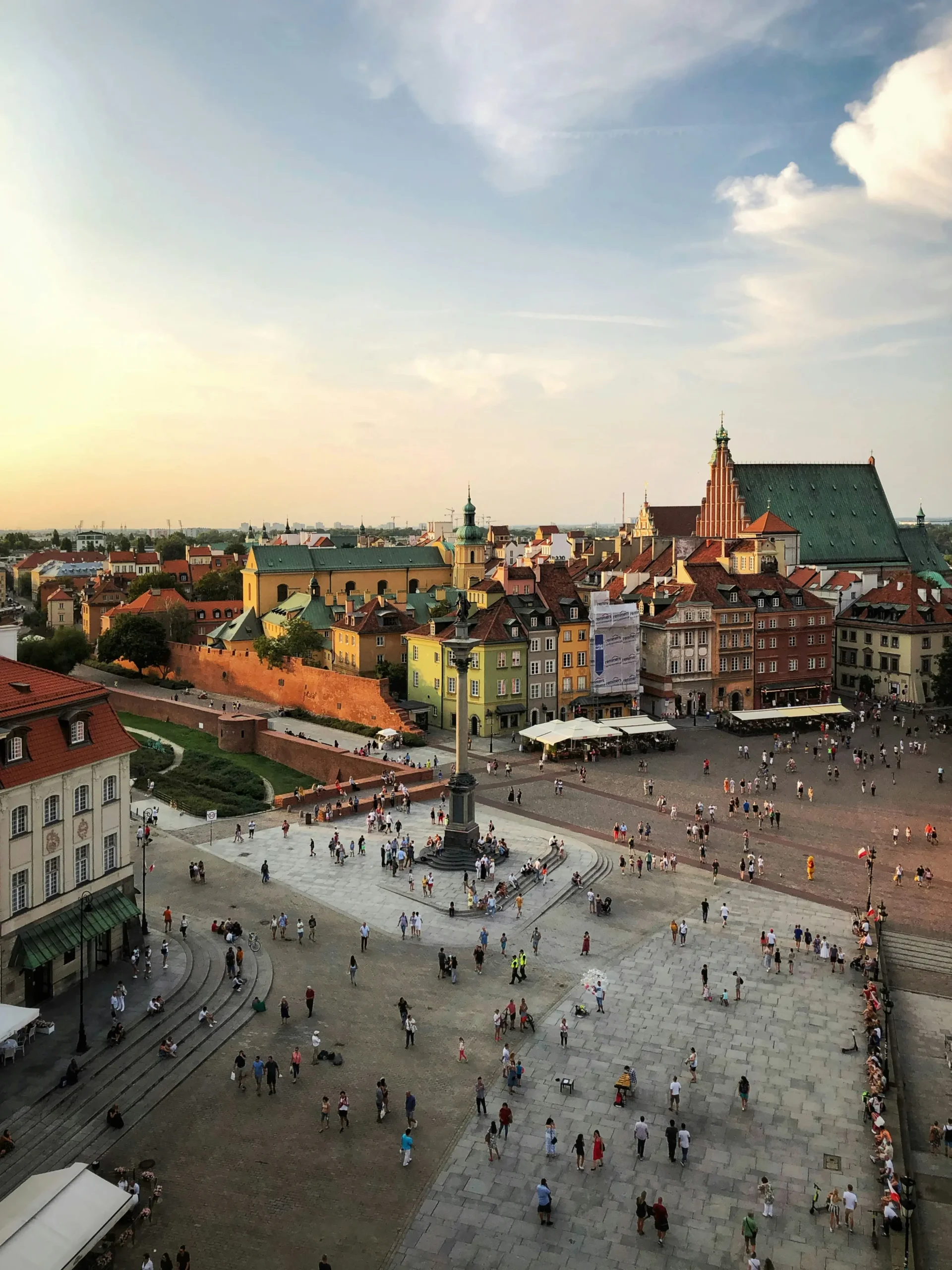
Interesting facts about Poland culture
Polish culture developed at the crossroads of Central and Eastern Europe, shaped by Christianity, a long tradition of local self government, and periods when Poland’s political borders changed while cultural continuity remained. Many well known customs today come from a mix of church calendars, older seasonal rites, and regional practices that survived in households even when public life was restricted. This guide explains what is distinctive in Polish customs and traditions, how everyday norms work in practice, and which traditions visitors and descendants most often encounter during heritage travel.
What are some interesting facts about Polish culture?
Poland’s cultural distinctiveness is easier to understand through historical patterns rather than isolated curiosities. Culture.pl points to long term features such as the early Christianisation of the Polish state, the role of a multiethnic society in past centuries, and the way Polish identity was maintained during political disruption. In everyday life, many “cultural facts” are visible through food traditions, holiday observance, and the high value placed on family events. Practical examples include the prominence of fermented foods in home cooking and the central place of dumplings in popular cuisine, both widely described in contemporary cultural guides. A useful rule for interpretation is that many customs are regional. The same holiday can look different in a large city and in a village, and practices in Silesia, Podhale, Kashubia, or Podlasie may not match one another. This regional character is one reason broad lists of Polish culture can be misleading unless they explain context and locality.
What is traditional Polish culture?
Traditional Polish culture is strongly structured by the annual calendar, with home based rituals that repeat across generations. In many families, the most stable cultural framework remains the Christian calendar, with seasonal gatherings and specific foods prepared for certain dates. Polart Center’s guide highlights well known dishes and household traditions that have become cultural markers in diaspora communities, including pierogi and cabbage based meals that appear in many regional variants. A separate layer comes from folklore, crafts, and regional dress, which still appears at festivals and in local museums. Culture.pl describes the continuing visibility of folk ornamentation and the renewed interest in decorative traditions. Traditional culture is therefore not only historical. It remains present in practices that many people consider ordinary: how a family hosts guests, how holidays are prepared, and how food is linked to memory and place.
What is a unique tradition in Poland?
Some Polish traditions remain widely recognized because they combine a clear date, a strong household practice, and public visibility. Easter Monday water customs known as Śmigus Dyngus belong to this category. Culture.pl describes it as a ritual that in modern settings often becomes a day long water play, rooted in older seasonal rites and later integrated into the Easter cycle. Educational heritage material also explains the tradition as part of Polish Easter practice. Another distinctive tradition is the Christmas Eve supper known as Wigilia, which has a specific set of customs and a strong family focus. Polart Center’s overview of Polish customs and folklore lists Wigilia among the cultural practices discussed in month by month form. A third example is All Saints Day and All Souls, when families visit cemeteries, tend graves, and participate in a quiet form of public remembrance. Even where details vary, the shared feature is the seriousness of the visit and the continuity of care for family burial places, which many descendants notice immediately during heritage travel.
What is special about Polish people?
This question is often answered with stereotypes, so it is better approached through social patterns that can be observed without overgeneralising. Historical writing frequently notes the importance of collective memory in Poland, including how families preserve narratives about place, loss, and continuity. Culture.pl’s historical overviews show how identity was shaped by long periods of political change and by cultural work that maintained language and tradition. In practical terms, visitors often notice a strong emphasis on family networks, commemorations, and the seriousness attached to certain sites, especially cemeteries and memorial spaces. A second observable pattern is formality in first contact. In many contexts, respectful distance is maintained until a relationship is established, then hospitality becomes more direct and personal. These are social norms rather than fixed national traits, yet they help explain why Polish customs traditions often feel structured, with clear expectations about greetings, invitations, and conduct during holidays.
Related Articles
Related
History and Evolution of Slavic Languages
Trace the origins of Slavic languages, from Proto-Indo-European roots to the modern languages spoken across Europe today.
Historical flags of Poland: Colors & symbolism and meaning
From medieval banners to the modern flag: explore the historical flags of Poland and what their colors and symbols represent.
The history and meaning of unique Polish symbols
Discover the history behind Poland’s white eagle, flag, and anthem, and what these national symbols mean. A GenealogyTour guide to Polish heritage.