
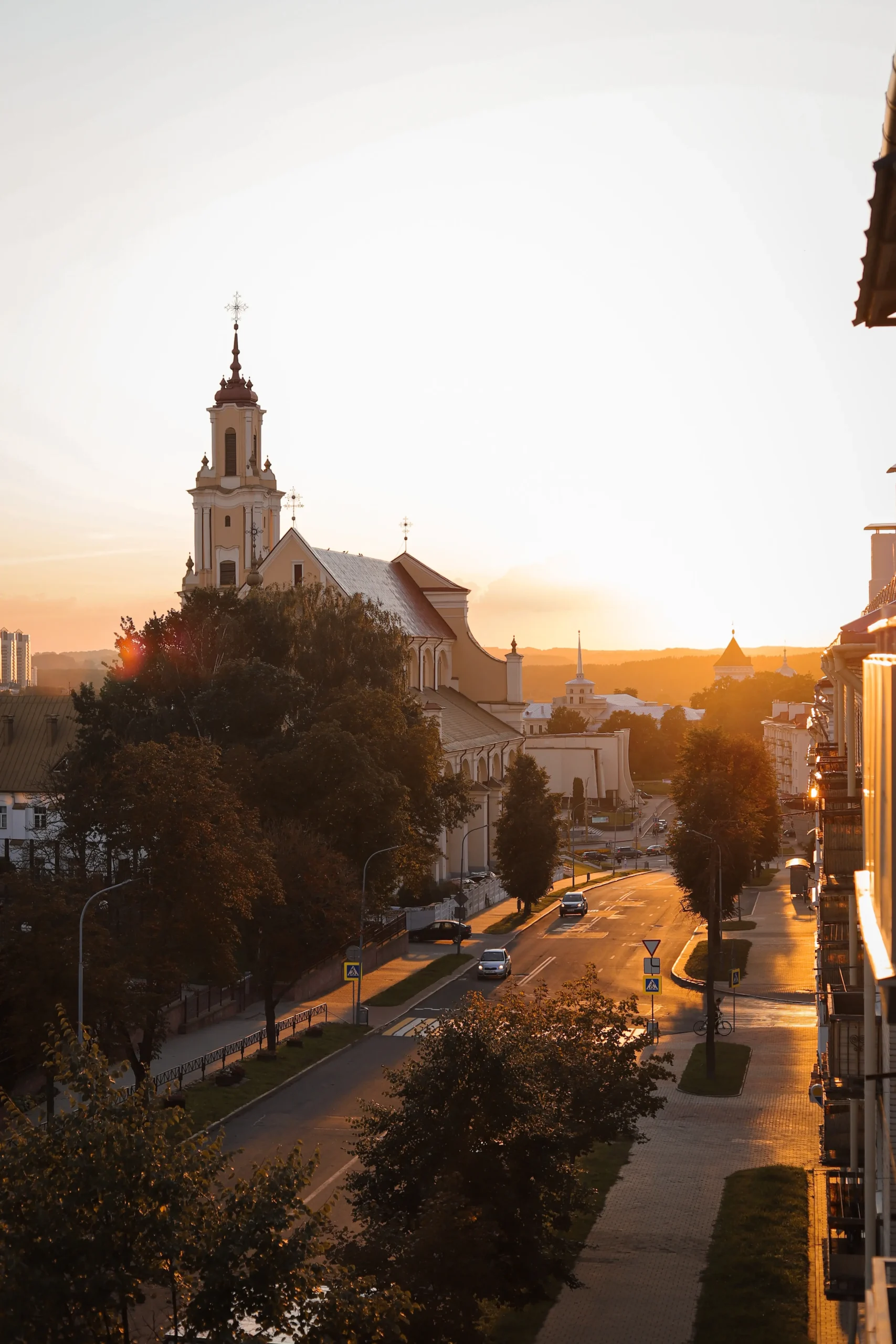
Grodno poland birth records
Grodno, or Hrodna, a city with deep historical roots in Belarus, stands today as a testament to the rich and turbulent history of Eastern Europe. For genealogy enthusiasts, particularly those tracing Polish lineage, Grodno offers a unique window into the past. With a population of 358,717 as of 2023, this city, nestled on the Neman River near the borders of Poland and Lithuania, has been a melting pot of diverse cultures including Belarusians, Poles, and a historically significant Jewish community.
The Evolution of Grodno Through Centuries
Grodno’s journey began as a modest fortress and trading post in 1127, eventually growing into a vital city in Black Ruthenia. It became a part of the Grand Duchy of Lithuania and later the Polish-Lithuanian Commonwealth, witnessing numerous invasions and battles, most notably by the Teutonic Knights. This vibrant city was a hub for trade, commerce, and culture, becoming one of the royal residences in the Commonwealth.
Grodno in the Polish-Lithuanian Commonwealth
In the Commonwealth era, Grodno’s significance soared. The establishment of a Jewish commune in 1389 and the city’s charter in 1441 marked the beginning of a thriving multicultural community. Grodno was not only a commercial and cultural center but also a political hub, hosting the last Sejm of the Commonwealth in 1793.
The Shifting Sands of History
The third partition of Poland in 1795 saw Grodno annexed by Russia, turning a new page in its history. The city’s Jewish population, which was significant before the Holocaust, adds a poignant chapter to Grodno’s story. Post-World War I, Grodno experienced brief stints under various states, including the Belarusian People’s Republic and the Republic of Lithuania, before being reclaimed by Poland. World War II brought Soviet and then Nazi occupation, with Grodno becoming part of Belarus post-1945.
Grodno’s Genealogical Wealth
For those delving into family histories, Grodno’s birth records are a goldmine. These documents, spanning various eras and rulers, offer insights into the lives of ancestors who lived through the city’s dynamic history. The records not only reflect the city’s administrative changes but also the cultural and societal shifts that have shaped its inhabitants’ lives.
Grodno Today: Preserving History and Culture
Modern Grodno, with its historical architecture like the Old Grodno Castle, continues to be a center for Roman Catholicism and Polish culture in Belarus. The city’s diverse population, including the remnants of its once-large Jewish community, stands as a living testament to its multifaceted past.
Grodno’s birth records are more than mere documents; they are portals to a past rich with cultural interminglings and historical upheavals. For anyone tracing their Polish ancestry, Grodno offers a unique and invaluable resource. At GenealogyTour.com, we are committed to helping you unlock these historical treasures, weaving together the threads of your personal history against the backdrop of Grodno’s vibrant past.
Related Articles
Related
History and Evolution of Slavic Languages
Trace the origins of Slavic languages, from Proto-Indo-European roots to the modern languages spoken across Europe today.
Historical flags of Poland: Colors & symbolism and meaning
From medieval banners to the modern flag: explore the historical flags of Poland and what their colors and symbols represent.
The history and meaning of unique Polish symbols
Discover the history behind Poland’s white eagle, flag, and anthem, and what these national symbols mean. A GenealogyTour guide to Polish heritage.