
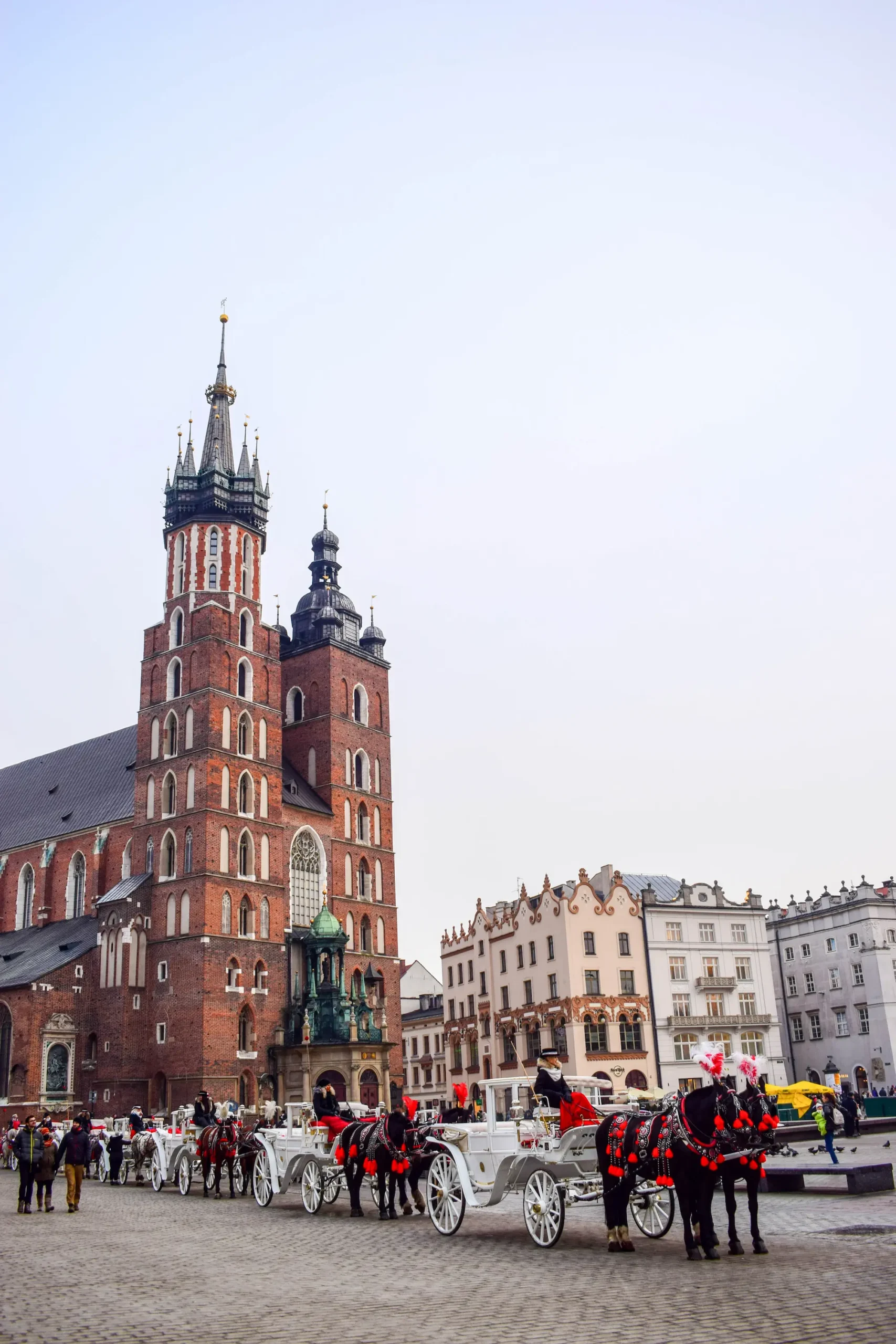
Genealogical tourism and the search for ancestral roots
Genealogical tourism has developed into a distinct field of cultural travel supported by archival research, local history studies and growing access to digitised records. Many travellers use this form of exploration to understand migration routes, family origins and historical contexts that shaped earlier generations.
The combination of regional studies, demographic data and preserved documents makes this practice increasingly structured. Institutions, archives and research organisations provide extensive tools that help modern visitors trace family lines with greater accuracy. This guide outlines the background, methods and sources associated with genealogical tourism, based on established historical literature and contemporary documentation standards.
Historical background of genealogical tourism
Interest in family origins intensified with the expansion of public archives and national record-keeping systems during the nineteenth century. Census materials, parish registers and civil documentation offered structured data about population movements, social changes and naming practices. As mobility increased throughout the twentieth century, descendants of emigrants began travelling to former homelands to view locations associated with earlier generations. These journeys were often aligned with historical studies, since accurate reconstruction of family narratives depended on reliable documents.
The term genealogical tourism appeared more frequently in academic analyses in the early twenty-first century, describing travel informed by archival research and supported by digital access to index systems.[1]
Modern genealogical travel also reflects broader interest in regional history. Visitors often consult municipal archives, ethnographic collections and land registers, which document settlement patterns and demographic transformations. This creates a form of travel grounded not in nostalgia but in factual investigation.
Methods used in genealogy-based travel
Research for genealogical tourism commonly begins with primary documents: birth, marriage and death records, immigration papers, property books or military conscription lists. Digital databases maintained by public archives allow travellers to verify names, dates and geographical markers before visiting specific towns. Many institutions categorise documents by historical administrative divisions, which helps identify accurate places of origin. Fieldwork typically includes visits to parish cemeteries, former estates, village centres and regional museums that store objects related to local communities.
Travellers often consult historical maps to understand boundary changes that occurred in Central and Eastern Europe after the partitions, world wars and administrative reforms. These changes affect the interpretation of surnames, place names and earlier jurisdictions. Documented research reduces speculation and frames each visit as part of a broader historical timeline.[2]
Cooperation with archivists and regional historians further clarifies complex fragments of the past, especially in areas where records were reorganised or partially lost.
Key resources and archival institutions
Genealogical tourism relies on structured access to archives governed by clear preservation standards. National archives, diocesan repositories and state statistical offices maintain extensive collections. Many records are digitised but significant portions remain accessible only on site. Catalogues identify reference numbers for vital records, municipal registers and historical censuses. Travellers often consult inventory lists before scheduling archival visits, as many repositories require appointments.
Specialised online tools also assist in preliminary research. These platforms index civil and parish records, provide scanned microfilms and offer reference materials describing administrative changes. International databases such as FamilySearch or regional genealogy societies group documents by former provinces, making them easier to navigate. For travellers focusing on Polish ancestry, archival resources maintained by local state archives and historical institutes supply contextual information about population structures, land ownership and historical events influencing migration.[3]
The combination of digital research and on-site study forms a structured method for investigating personal history.
Planning a genealogical trip
Effective genealogical travel involves preparation based on verified archival data. Travellers usually begin by creating a detailed chronology of known family events. This timeline includes approximate dates, place names and all available document references. Next, they compare these details with historical maps to identify former administrative divisions, since town names or borders may have changed. Once the research framework is established, the traveller plans visits to archives, museums and specific localities connected with ancestors.
Many choose to explore cemeteries and former parish grounds, as they often preserve inscriptions and layout patterns relevant to family structures. Local cultural institutions provide further context on settlement history, craftsmanship or agricultural practices typical of the region. When arranged responsibly, genealogical travel remains grounded in verifiable records.
Companies such as GenealogyTour.com support this process by coordinating archival research and organising visits to ancestral locations across Poland, allowing travellers to explore documented heritage with appropriate historical accuracy.
Further reading and reference tools
Below is a short list of structured resources that support genealogical research and travel planning. These materials focus on archival access, record interpretation and regional history documentation. The resources are selected based on recognised historical and academic reliability.
Archival databases
- FamilySearch collections (civil and parish records)
- Polish State Archives catalogue (szukajwarchiwach.gov.pl)
- U.S. National Archives immigration records (NARA)
Scholarly and institutional publications
- Articles on genealogy tourism development published in historical and cultural journals
- Museum publications on regional settlement history
- Administrative history handbooks detailing boundary shifts
These materials provide factual support for responsible, historically grounded genealogical travel. Genealogical tourism forms a structured field combining archival science, historical geography and regional studies. It enables travellers to connect documented evidence with physical locations associated with earlier generations. When based on reliable sources, the practice preserves accuracy and maintains respect for historical realities. Growing access to digital archives and continued cooperation between institutions deepen the quality of research available to individuals exploring their origins.
Sources
[1] Tandfonline, Genealogical Tourism: Motivations and Methods, 2023.
[2] Seven Corners Travel Guide, What Is Genealogy Travel?
[3] GenealogyTour.com, archival research overview.
Related Articles
Related
History and Evolution of Slavic Languages
Trace the origins of Slavic languages, from Proto-Indo-European roots to the modern languages spoken across Europe today.
Historical flags of Poland: Colors & symbolism and meaning
From medieval banners to the modern flag: explore the historical flags of Poland and what their colors and symbols represent.
The history and meaning of unique Polish symbols
Discover the history behind Poland’s white eagle, flag, and anthem, and what these national symbols mean. A GenealogyTour guide to Polish heritage.