
Best places to visit in poland
Poland rewards visitors who treat geography and history as part of the itinerary. Many of the country’s most important places are close enough to combine in one trip, yet they represent very different chapters of Europe: medieval royal capitals, Baltic trade cities, industrial heritage, landscapes protected for their natural value, and memorial sites that require a careful, respectful approach. The selections below reflect destinations consistently highlighted by Poland’s official tourism platform and by widely used travel rankings, then arranged into a practical structure for a first visit.
A first-time foundation: Kraków and Warsaw
For many travelers, the most logical introduction to Poland starts with Kraków and Warsaw because each city explains a different dimension of the country’s past and present. Kraków is centered on a preserved historic core recognised on the UNESCO World Heritage List, with a dense concentration of monuments, museums, and walkable streets.
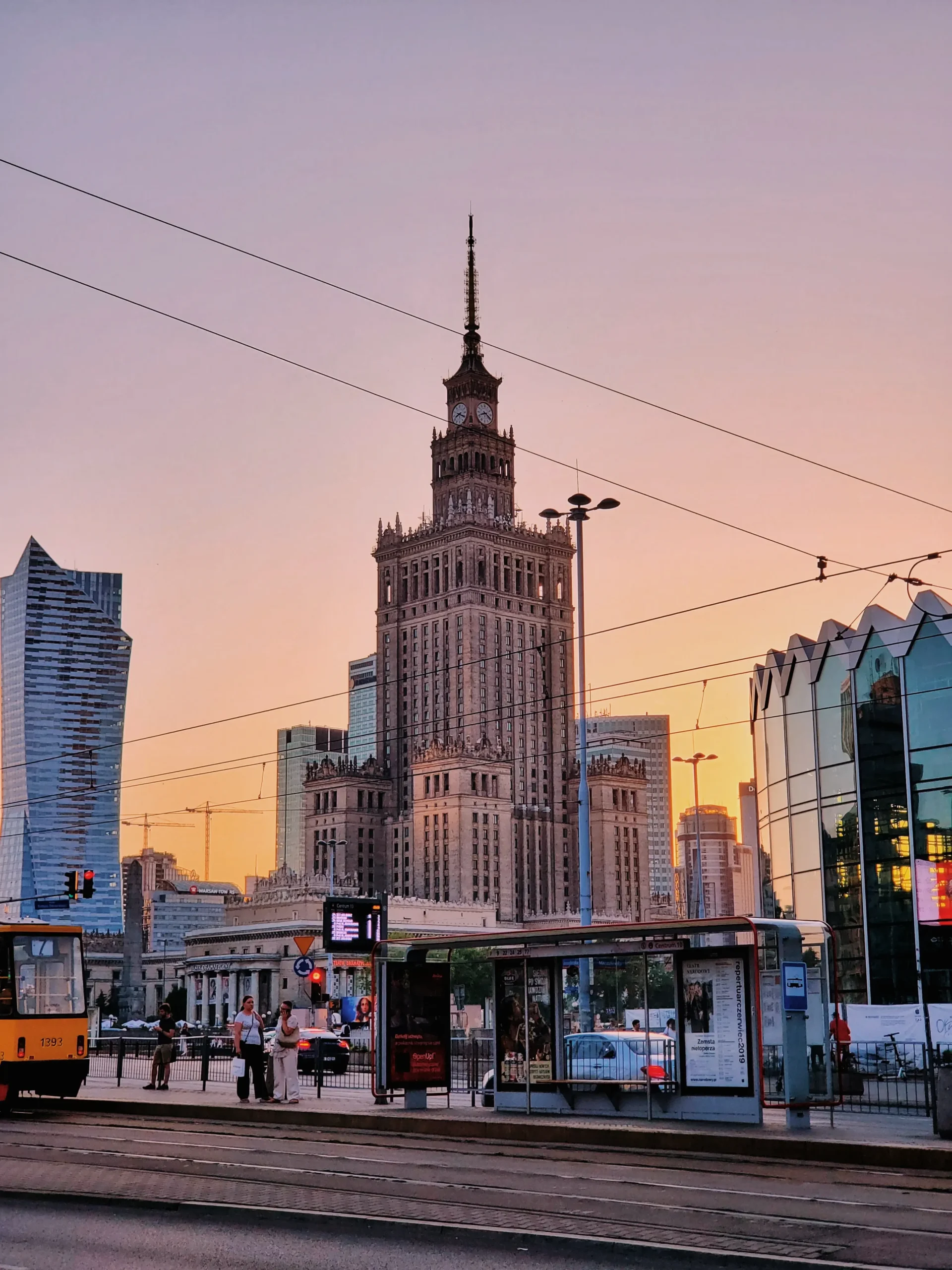
Warsaw, also listed by UNESCO for its historic centre, is a modern capital whose urban form reflects destruction and post war reconstruction, and it offers museums and memorial spaces that help visitors place Polish history in a wider European context. When time is limited, these two cities deliver the strongest balance of heritage, interpretation, and transport connections, which is why they appear so often in official and traveler facing summaries of what to visit in Poland.
The Baltic north: Gdańsk and the Malbork fortress complex
Northern Poland offers a different historical landscape shaped by maritime trade and the Baltic. Gdańsk is widely visited for its waterfront cityscape and the cultural memory of a port whose fortunes were tied to regional commerce and changing political frameworks. Travel rankings regularly list it among the top destinations in Poland, and it functions well as a base for short excursions along the coast. A natural counterpart is the Castle of the Teutonic Order in Malbork, one of the most significant medieval fortress complexes in Europe and a UNESCO World Heritage site. The pairing works well in practice: Gdańsk provides an urban context and museum infrastructure, while Malbork adds a large scale architectural and historical site that can be visited as a focused half day or day trip.
Southern landscapes: the Tatras and Zakopane as a mountain base
If you want one region that shifts the trip from cities to landscape, southern Poland and the Tatra Mountains are often the most accessible choice, especially when starting from Kraków. Zakopane is commonly used as a base for excursions into the Tatras, and day tours between Kraków and the region are heavily represented in mainstream travel planning.
This part of Poland is best approached as a seasonal and weather dependent destination: hiking, panoramic viewpoints, and local culture are strongest when you allow time for slower movement and include a buffer for changing conditions. In itinerary terms, the Tatras work best as an addition after you have covered at least one major historic city, since the transport rhythm and daily structure are different from urban sightseeing.
UNESCO sites and places that require a respectful visit
Poland’s UNESCO sites provide a clear framework for planning because they represent distinct categories of heritage: historic city centres, major architectural ensembles, and places of outstanding historical meaning. The UNESCO list for Poland includes the Historic Centres of Kraków and Warsaw, the Wieliczka Salt Mine, Malbork Castle, Centennial Hall in Wrocław, and the Churches of Peace in Jawor and Świdnica, among others. It also includes Auschwitz Birkenau, designated for its historical significance as a German Nazi concentration and extermination camp.
Visits to memorial sites should be planned with time, attention, and the expectation of an educational experience rather than a standard attraction. In practical terms, this means reading basic orientation materials beforehand, allowing a longer visit window, and avoiding itinerary stacking that forces rushed movement through a place of commemoration.
Related Articles
Related
History and Evolution of Slavic Languages
Trace the origins of Slavic languages, from Proto-Indo-European roots to the modern languages spoken across Europe today.
Historical flags of Poland: Colors & symbolism and meaning
From medieval banners to the modern flag: explore the historical flags of Poland and what their colors and symbols represent.
The history and meaning of unique Polish symbols
Discover the history behind Poland’s white eagle, flag, and anthem, and what these national symbols mean. A GenealogyTour guide to Polish heritage.